Course: Composite Structural Engineering

This is a workforce education course with the main goal of training the next generation of engineers for aerospace industry. This course is focused on certification of composite civil aircraft structure following FAA curriculum standard, and cover topics such as material and process development, defect and damage, material allowables, design development, and certification and structural substantiation.
Introduction
Overview of composites in aerospace, key challenges, terminologies, design considerations, certification strategies, fatigue, defects, inspection, and advanced topics.
Lecture 1: Aerospace Composites - Challenges and Definitions
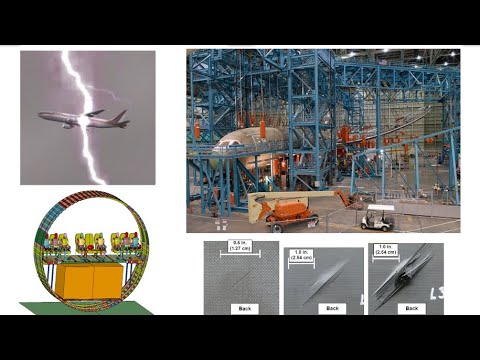
Introduction to the course objectives, structure, and key topics, including composite materials, design for manufacturing, certification strategies, fatigue, testing and analysis, defects and repair, and advanced topics such as crashworthiness, fire safety, and lightning strike protection.
Lecture 2: Structural Details and Design
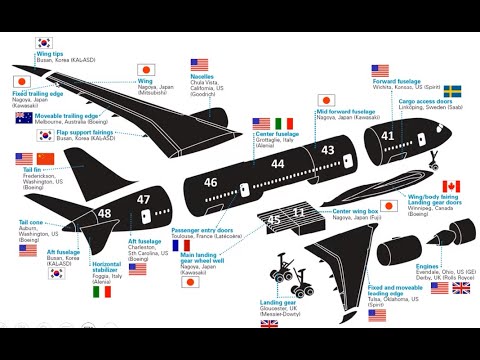
Covers key structural elements of composite fuselage and wing assemblies, manufacturing approaches (IML vs. OML), types of stringers and common defects, introduction to sandwich panels, and the importance of designing composites for inspection and maintenance.
Lecture 3: Design for Manufacturing
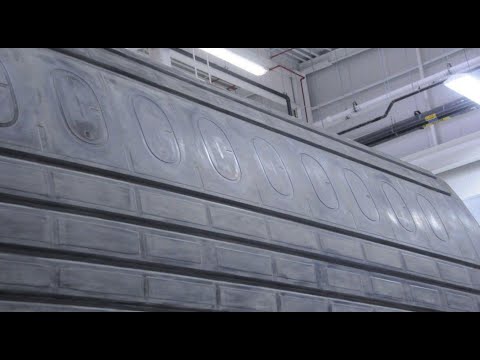
Discussion of stringer design challenges and microcracks, balancing cost, strength, and maintenance considerations, impact damage in sandwich panels, difficulties in non-destructive inspection, material failure mechanisms in composites, and the effects of environmental exposure on structural performance.

Lecture 4: Allowables, Design Values, Bonded and Bolted Joints
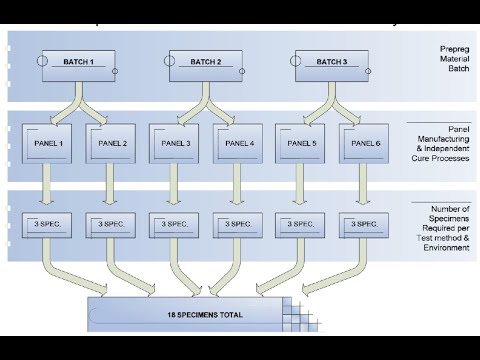
Explains the difference between allowable and design values, the use of statistical distributions in determining A-basis and B-basis allowables, the importance of sufficient testing, and tradeoffs in testing versus structural weight. Also covers methods for connecting composite parts through adhesive bonding and mechanical fasteners.
Lecture 5: Certification Approaches, Fatigue and Damage Tolerance
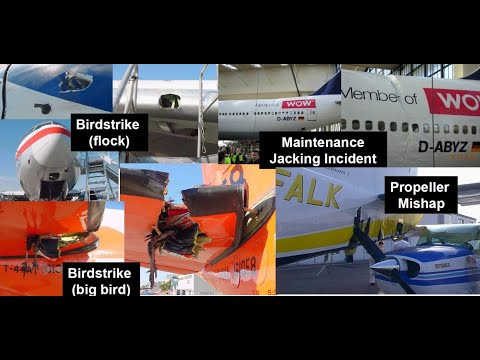
Covers certification strategies for composite structures, types of loads on aircraft, FAA-mandated safety factors, methods of structural proof through analysis and testing, differences between metals and composites, fatigue behavior, categories of composite damage, probabilistic design approaches, impact considerations, and the role of full-scale testing.
Lecture 6: Building Block Testing and Analysis
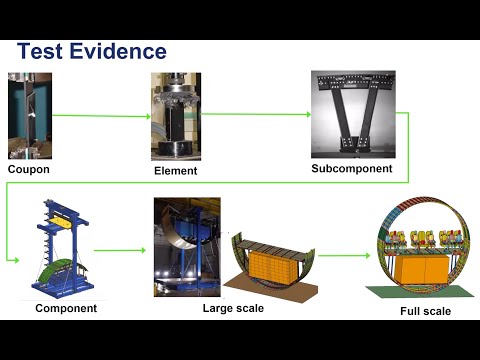
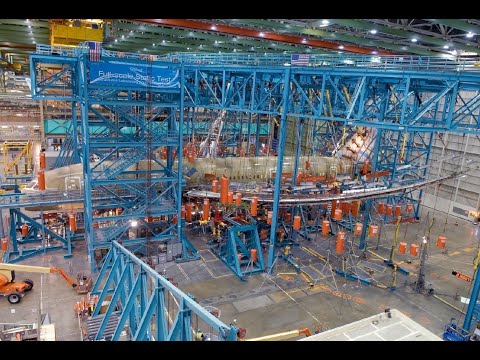
Introduces the building block pyramid for composite certification, detailing testing at the coupon, element, subcomponent, and component levels. Highlights the integration of finite element analysis with testing and discusses fatigue testing concepts including design service goals and load enhancement factors.
Lecture 7: Manufacturing Defects, Inspection and Repair
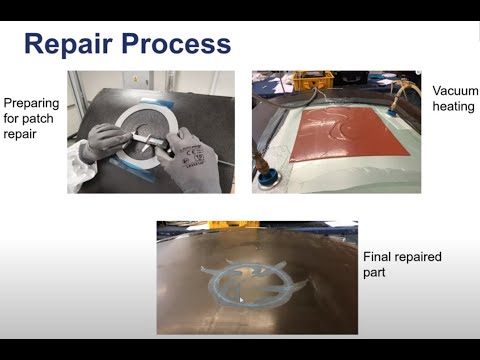
Explains key terminology related to defects in composites, common types of manufacturing flaws, non-destructive inspection techniques (including ultrasound and C-scans), and approaches to composite repair, highlighting challenges such as non-uniform heating and solutions like multi-zone heat blankets.
Lecture 8: Crashworthiness, Fire Safety, Lightning Strike
Covers crash scenario design requirements, energy absorption in composites, material behaviors under crushing, fire safety considerations compared to metals, and lightning strike protection strategies including electrical bonding and surface mesh applications.