Section 1: Introduction
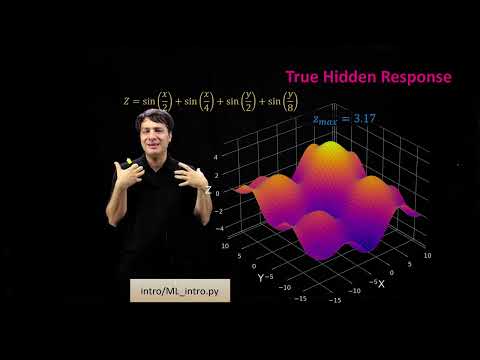
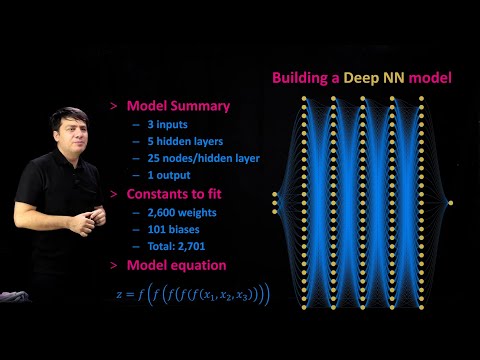
OFAT (One-Factor-At-A-Time) vs. DOE (Design of Experiments) vs. Iterative Machine Learning, Quick Overview of Traditional ML Methods (NN, GPR, Ensemble Methods)
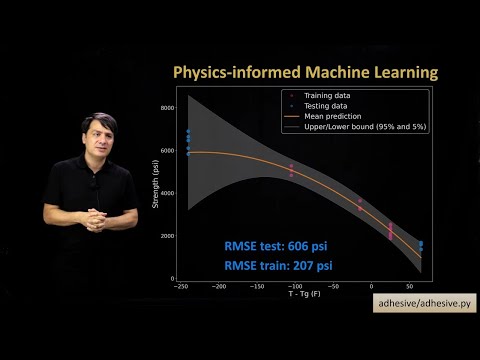
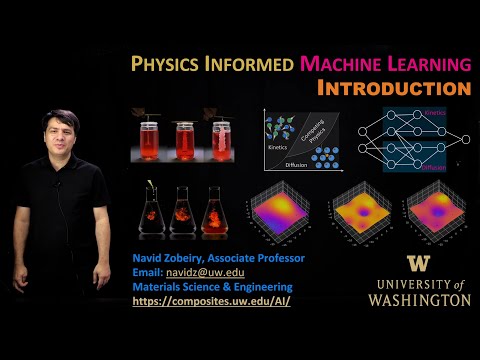
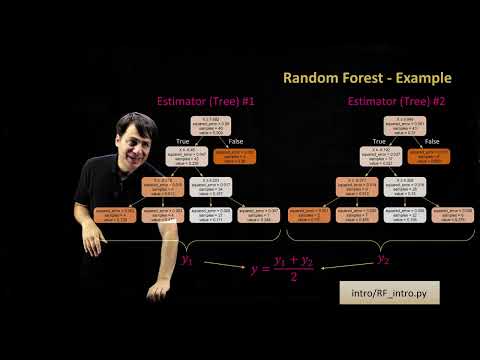
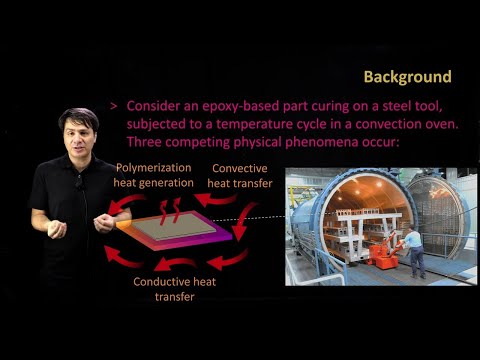
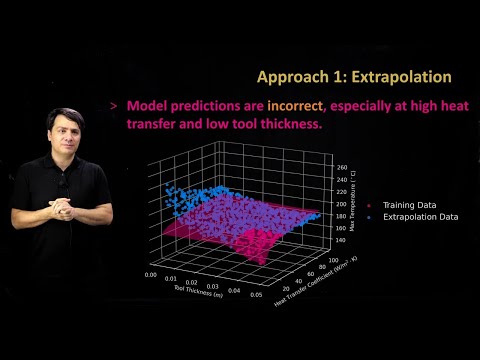
This course introduces the principles of physics-informed machine learning (PIML) and its applications in solving complex multi-physics problems in science and engineering. We begin with an overview of traditional ML methods, followed by a series of case studies where various PIML techniques are introduced, such as physics-informed features, domain transformation, and synthetic features. Python codes are provided and reviewed to show how to integrate these techniques with different traditional ML methods. The course aims to cover diverse physics phenomena, PIML techniques, and ML methods. These techniques result in improved robustness, accuracy, and reliability in ML models for engineering applications.
Five sections with lightboard videos, slides and Python code.

OFAT (One-Factor-At-A-Time) vs. DOE (Design of Experiments) vs. Iterative Machine Learning, Quick Overview of Traditional ML Methods (NN, GPR, Ensemble Methods)
Physics-Informed Features, Loss, and Domain Transformation with Neural Networks (NN)
Physics-Informed Augmentation with Sparse Identification of Nonlinear Dynamics (SINDy)
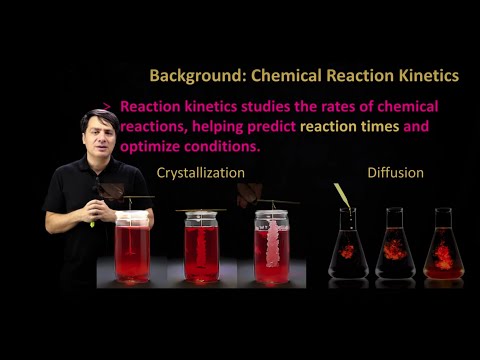
Physics-Informed Synthetic Features using Finite Element with Ensemble Methods

Physics-Informed Domain Transformation and Dimensionality Reduction with Gaussian Process Regression (GPR)